
Hysteroscopy
Hysteroscopy
Hysteroscopy is a minimally invasive procedure used to diagnose and treat conditions inside the uterus, helping improve menstrual health, fertility outcomes, and overall gynecological well-being.
Indications
- Abnormal uterine bleeding
- Infertility and recurrent pregnancy loss
- Uterine polyps or fibroids
- Suspected uterine adhesions (Asherman syndrome)
- Abnormal ultrasound findings
Procedure
- Performed as a day-care procedure
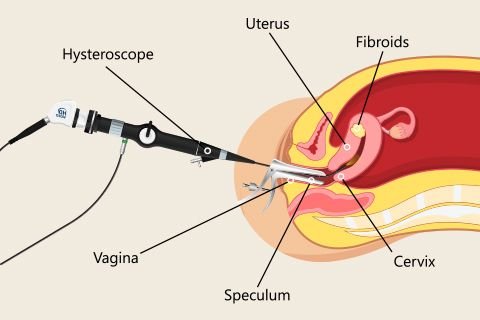
- A thin hysteroscope is gently passed through the cervix into the uterus
- Saline is used to expand the uterine cavity for clear visualization
- Diagnostic or operative treatment is performed as required
- Usually completed within 15–30 minutes
Benefits
- Accurate diagnosis of uterine conditions
- Minimally invasive with no abdominal cuts
- Faster recovery and minimal discomfort
- Improves fertility and menstrual outcomes
Recovery & Follow-up
- Discharge usually on the same day
- Mild cramping or spotting may occur
- Follow-up visit for results and further planning
Risks & Complications
- Minimal and rare
- Mild infection or bleeding (uncommon)
- Uterine injury (very rare)
Hysteroscopy provides a safe and effective solution for diagnosing and treating uterine conditions with precision and minimal downtime.