
IUI
IUI (Intrauterine Insemination)
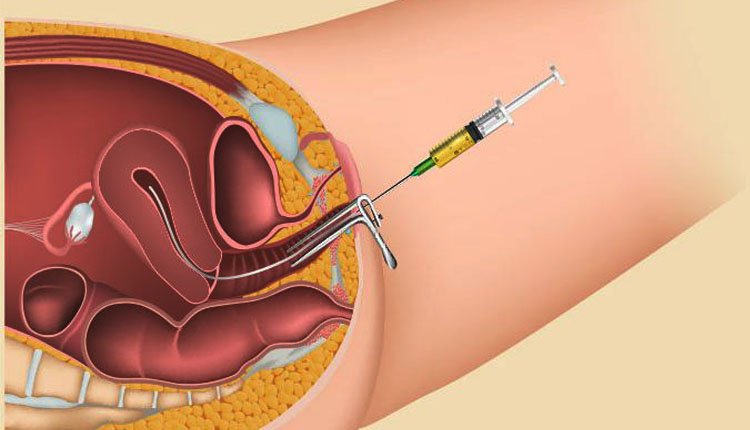
IUI is a simple and commonly used fertility treatment that helps couples conceive naturally with medical assistance. In this procedure, healthy, specially prepared sperm are placed directly into the woman’s uterus around the time of ovulation, increasing the chances of fertilization.
Who is IUI recommended for?
- Unexplained infertility
- Mild male factor infertility (low sperm count or motility)
- Irregular ovulation or hormonal imbalance
- Cervical mucus problems
- Couples trying for pregnancy for a long time without success
How the IUI procedure works
- Ovulation is monitored or stimulated with medicines
- Semen sample is collected and washed in the lab
- Prepared sperm are gently inserted into the uterus
- The procedure is quick, painless, and done without anesthesia
Benefits of IUI
- Simple and minimally invasive
- Affordable compared to IVF
- No surgery required
- Short procedure time
- Natural conception support
Success rate
IUI success depends on age, cause of infertility, and overall health. On average, success rates range from 10–20% per cycle, and multiple cycles may be advised.
Risks & Complications of IUI (Intrauterine Insemination)
IUI is generally a safe and low-risk fertility treatment. However, like any medical procedure, it may have some minor risks and complications: