
Egg Donation
Egg Donation
Egg Donation is an effective fertility treatment option for women who are unable to conceive using their own eggs. This advanced assisted reproductive technique helps achieve pregnancy using healthy donor eggs combined with IVF, offering high success rates and renewed hope to couples.
Indications
- Poor ovarian reserve or premature ovarian failure
- Advanced maternal age
- Repeated IVF failures
- Genetic disorders in the female partner
- Poor egg quality
- Surgical removal or non-functioning ovaries
Process
- Donor Selection: A healthy, screened egg donor is selected
- Donor Stimulation: Donor receives hormonal medications for egg development
- Egg Retrieval: Mature eggs are collected from the donor
- Sperm Collection: Partner’s or donor’s sperm is prepared
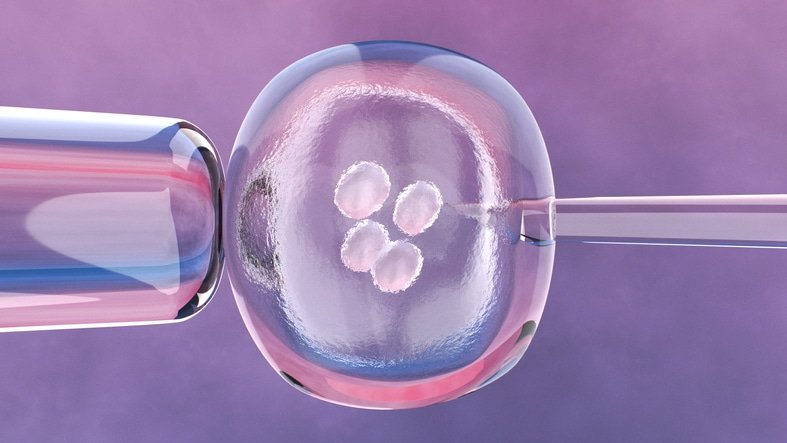
- Fertilization: Eggs are fertilized using IVF or ICSI techniques
- Embryo Culture: Embryos are grown in the lab for 3–5 days
- Embryo Transfer: Best-quality embryo is transferred into the recipient’s uterus
- Hormonal Support: Recipient receives medications to support implantation
Success Rate
- Higher success rates compared to IVF with own eggs
- Success depends on embryo quality and uterine health
- Pregnancy rates may range between 50–70% per cycle
Follow-Ups
- Regular ultrasound monitoring of uterine lining
- Blood tests to assess hormonal levels
- Pregnancy test 12–14 days after transfer
- Ongoing antenatal care if pregnancy is confirmed
Risks & Complications
- Minimal medical risks to the recipient
- Emotional and psychological considerations
- Risk of multiple pregnancy if more than one embryo is transferred
- Rare chance of treatment failure
Benefits of Egg Donation
- High chances of successful pregnancy
- Reduced risk of genetic disorders from the recipient
- Enables women beyond natural reproductive age to conceive
- Safe, ethical, and legally regulated process