
Evaluation of Female Infertility
Evaluation of Female Infertility
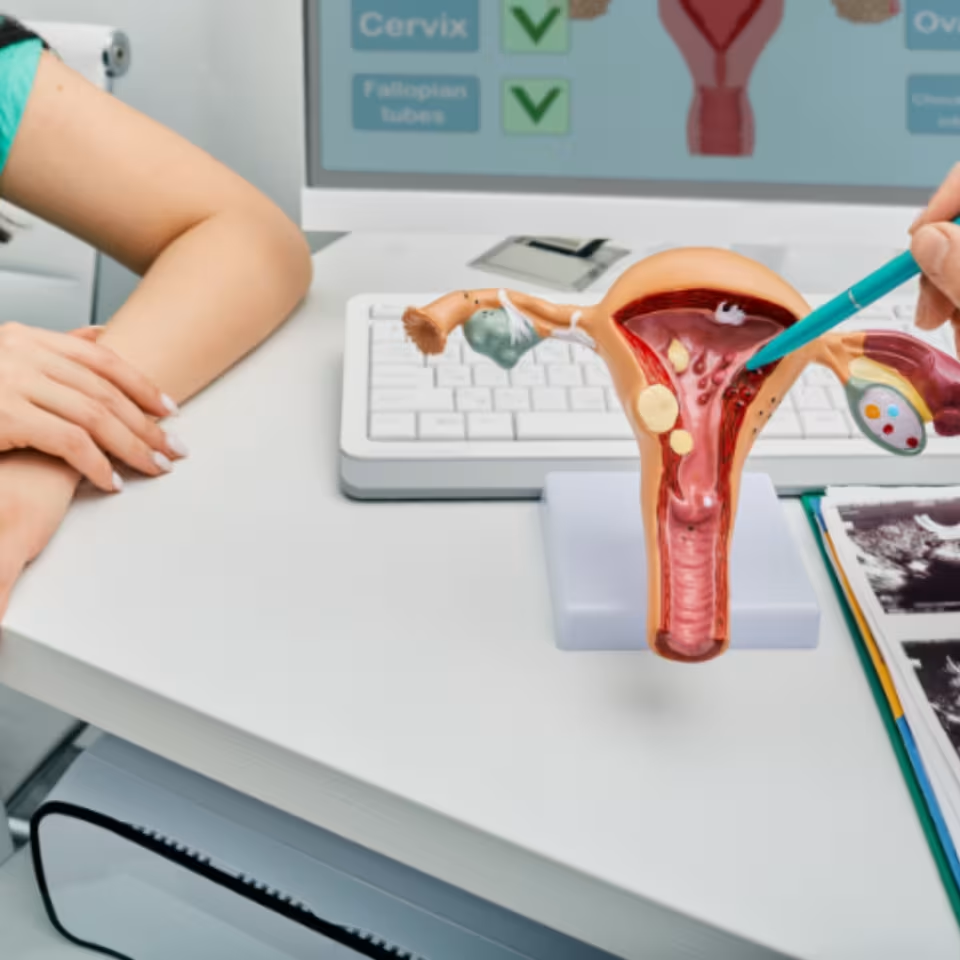
The evaluation of female infertility is a detailed medical process aimed at identifying the underlying causes of difficulty in conceiving. It involves clinical assessment, diagnostic tests, and personalized analysis to guide appropriate fertility treatment. Early and accurate evaluation helps improve the chances of successful pregnancy.
When is Evaluation Needed? (Indications)
- Trying to conceive for 12 months (or 6 months if age ≥ 35)
- Irregular or absent menstrual cycles
- Recurrent miscarriages
- Known PCOS, endometriosis, or thyroid disorders
- History of pelvic infection or surgery
- Severe menstrual pain or heavy bleeding
1. Medical History & Physical Examination
- Menstrual pattern review
- Past medical and surgical history
- Lifestyle and family history assessment
2. Hormonal Testing
- AMH (ovarian reserve)
- FSH, LH, Estradiol
- TSH and Prolactin
3. Ultrasound Examination
- Assessment of ovaries and follicles
- Uterine structure evaluation
- Detection of fibroids, polyps, or cysts
4. Tubal Assessment (HSG)
Checks whether fallopian tubes are open or blocked
5. Advanced Tests (if required)
- Hysteroscopy (uterine cavity check)
- Laparoscopy (for endometriosis or pelvic pathology)
Possible Causes Identified
- Ovulation disorders (PCOS)
- Tubal blockage
- Uterine abnormalities
- Endometriosis
- Hormonal imbalance
- Poor ovarian reserve
Next Steps After Evaluation
- Ovulation induction
- IUI or IVF if needed
- Medical or surgical correction
- Lifestyle modification and counseling
A comprehensive evaluation ensures accurate diagnosis and helps doctors design the most effective fertility plan for each woman.