
HPV Vaccination
HPV Vaccination
HPV Vaccination is a preventive treatment that protects against Human Papillomavirus (HPV), the primary cause of cervical cancer, genital warts, and other HPV-related cancers. It is safe, effective, and strongly recommended for long-term reproductive health.
Purpose
- Prevention of cervical cancer
- Protection against high-risk HPV strains
- Prevention of genital warts
- Reduction in HPV-related cancers (cervical, vaginal, vulvar, anal)
Who Should Get HPV Vaccination
- Girls and boys aged 9–14 years (ideal age)
- Adolescents and young adults up to 26 years
- Adults up to 45 years (as advised by a gynecologist)
- Sexually active individuals (even if exposed to HPV)
Types of HPV Vaccines
- Bivalent: Protects against HPV 16 & 18
- Quadrivalent: Protects against HPV 6, 11, 16 & 18
- 9-Valent: Protects against 9 high-risk HPV types
Vaccination Schedule
- Ages 9–14: 2 doses (0 and 6 months)
- Ages 15 and above: 3 doses (0, 2, and 6 months)
Procedure
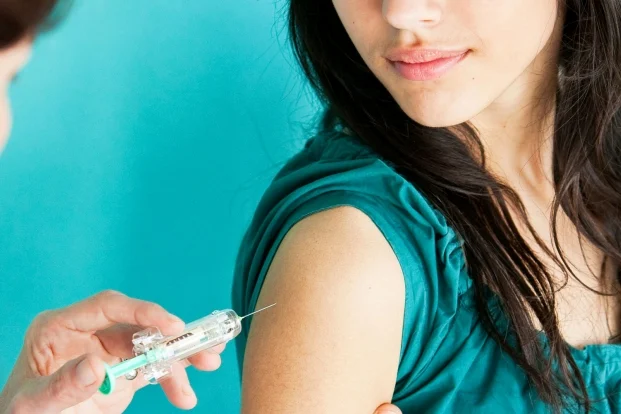
- Given as an intramuscular injection (upper arm)
- Quick, safe, and completed in a few minutes
- No hospitalization required
Benefits
- Highly effective in preventing cervical cancer
- Long-lasting immunity
- Safe for adolescents and adults
- Reduces need for future invasive treatments
Follow-ups
- Completion of full vaccine schedule
- Regular Pap smear screening (still recommended)
- Routine gynecological check-ups
Risks & Side Effects
- Mild pain or redness at injection site
- Low-grade fever or fatigue (temporary)
- Rare allergic reactions
Important Points
- Vaccination does not treat existing HPV infection
- Safe to take before or after becoming sexually active
- Can be taken along with routine immunizations
HPV Vaccination is a powerful step toward cervical cancer prevention and lifelong protection, ensuring better reproductive and overall women’s health.