
Pap Smear
Pap Smear
A Pap Smear is a simple, painless screening test used to detect early changes in cervical cells that may lead to cervical cancer. Regular screening helps in early diagnosis, timely treatment, and long-term cervical health.
Purpose
- Early detection of precancerous and cancerous cervical changes
- Screening for cervical cancer
- Monitoring cervical health in sexually active women
- Identifying HPV-related cellular changes
Who Should Get a Pap Smear
- Women aged 21–65 years
- Sexually active women
- Women with irregular bleeding or abnormal discharge
- Those with a history of HPV infection
- As advised by a gynecologist
Procedure
- Performed during a routine gynecological examination
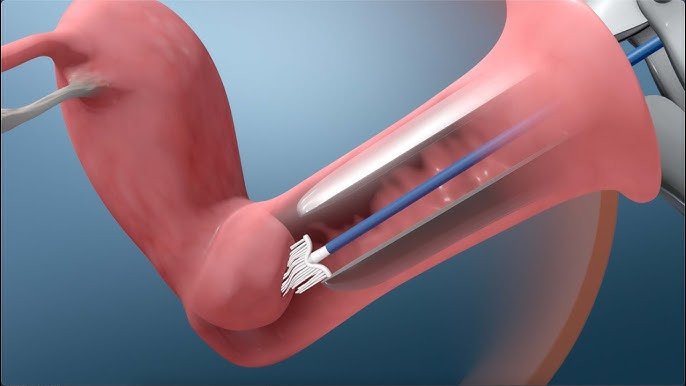
- A speculum is gently inserted to visualize the cervix
- Cervical cells are collected using a soft brush or spatula
- The sample is sent to the laboratory for analysis
- The procedure takes only a few minutes
Preparation Guidelines
- Avoid intercourse, douching, or vaginal medications 24–48 hours before the test
- Best done when not menstruating
- Inform the doctor about pregnancy or previous abnormal reports
Results Interpretation
- Normal: No abnormal cells detected
- Inflammatory: Infection or mild irritation present
- Abnormal: Precancerous changes requiring further evaluation
Follow-ups
- Repeat Pap smear as per age and guidelines
- HPV testing if recommended
- Colposcopy or biopsy in case of abnormal results
- Counseling and treatment planning if required
Risks & Complications
- Minimal and rare
- Mild discomfort or spotting
- No long-term side effects
Benefits
- Early cancer detection
- Prevents progression to cervical cancer
- Simple, safe, and cost-effective screening
Regular Pap Smear screening is a vital step in maintaining women’s reproductive health and preventing cervical cancer through early, effective intervention.