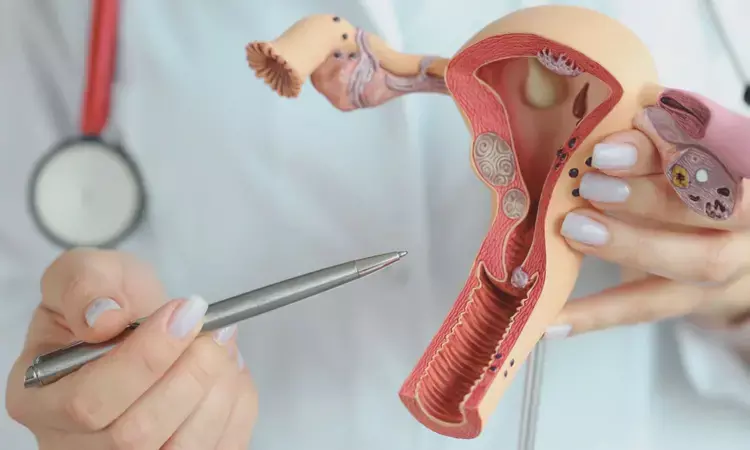
Uterine Polyp
Uterine polyps are benign growths arising from the lining of the uterus (endometrium). They may cause abnormal bleeding, infertility, or recurrent pregnancy loss. Treatment depends on symptoms, size, and reproductive plans.
Types of Polyps
- Endometrial polyps
- Cervical polyps
- Single or multiple polyps
Diagnosis
- Pelvic examination
- Transvaginal ultrasound
- Saline infusion sonography (SIS)
- Diagnostic hysteroscopy (most accurate)
Treatment Options
Observation
Medical Management
Surgical Management
Hysteroscopic polypectomy (gold standard)
Minimally invasive, day-care procedure
Preserves uterus and fertility
Fertility Benefits
- Improves chances of natural conception
- Enhances IVF and IUI success rates
- Reduces miscarriage risk
Post-Treatment Care
- Short recovery period
- Minimal discomfort or spotting
- Follow-up ultrasound if required
Risks & Complications
- Recurrence of polyps
- Infection or bleeding (rare)
Risks & Complications
- Heavy or irregular menstrual bleeding
- Infertility or repeated IVF failure
- Postmenopausal bleeding
With timely hysteroscopic treatment and expert care, uterine polyps can be safely removed, restoring normal uterine function and improving reproductive outcomes.